
What to Know
Cataract and Cataract Surgery
Your eyes are our focus. At Orlando North Eye Clinic, we want you to be educated and involved in your eye health and treatment plan. We have put together this resource to help you understand what to expect.
What Are Cataracts?
A cataract is the term used to describe the lens of the eye as it becomes more cloudy. The lens in the eye allows light from the outside world to enter the eye and be focused on the back of the eye, where an image is formed. A clear lens is important because it allows us to see clearly.
Over time, the clear lens of the eye becomes cloudy, decreasing how much light gets to the back of the eye to form this image. This is called a cataract. When a cataract forms, the eye is not able to form a clear image, leading to blurry or foggy vision.
According to the Centers for Disease Control and Prevention, more than 20 million Americans are estimated to suffer from vision loss from cataracts. It is one of the world’s leading causes of reversible blindness.
There are many causes of cataract formation. The most common is the natural aging process, or as Dr. Sheraly likes to say, “having more birthdays.” Medical conditions like diabetes can accelerate cataract formation. Other less common causes include certain eye infections, medications such as steroids, and accidents. Extensive exposure to extreme heat or radiation, especially ultraviolet radiation, can also contribute to cataract formation.
What Are the Symptoms for Cataracts?
As cataracts form and grow, you may start to notice foggy or blurry vision. You may initially notice that you need more light for certain activities like reading. It may become more difficult to see small fine print on medication bottles. It may also become more difficult to see at night.
You may experience glare or halos around lights, including around oncoming car headlights. You may notice it becomes more challenging to drive and see street signs from far away. Patients sometimes tell Dr. Sheraly that they “cannot see street signs until they are right on top of them.”
The best way to identify if cataracts are causing your vision changes is to get an eye exam with Dr. Sheraly.
How do we diagnose cataracts?
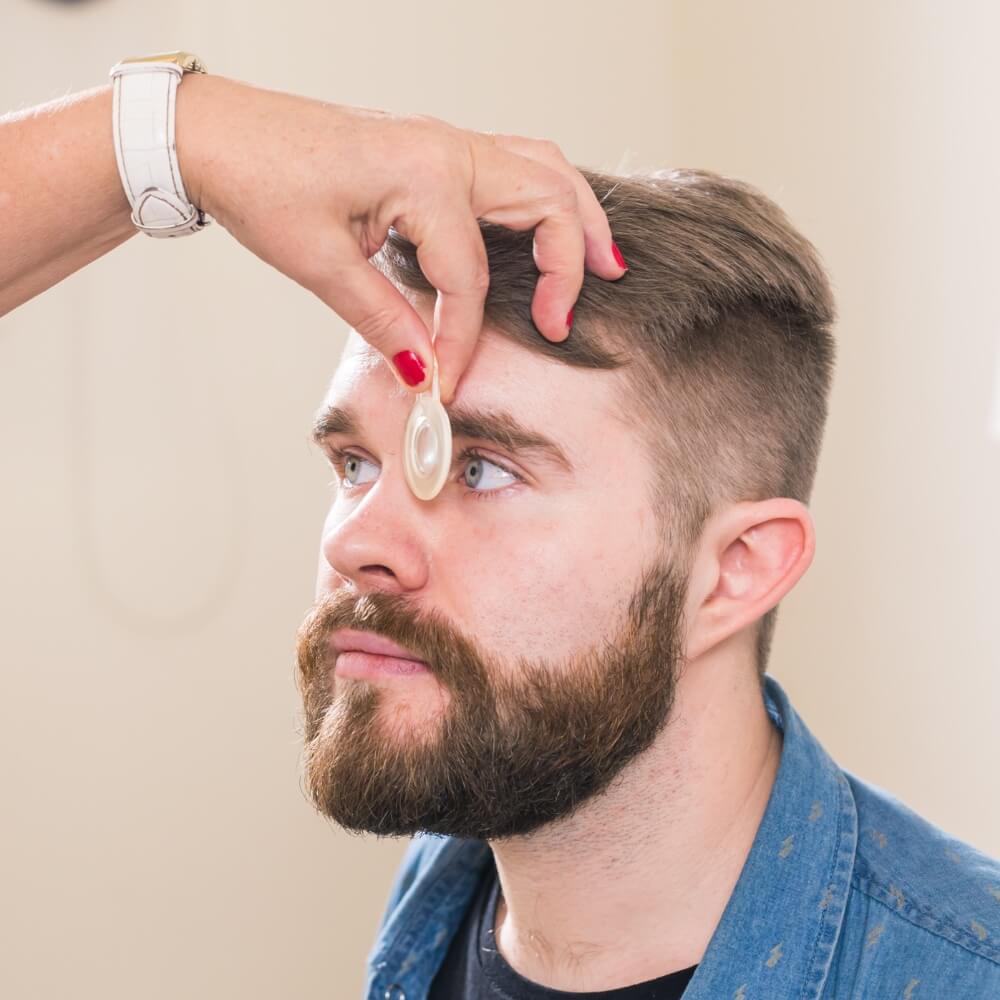
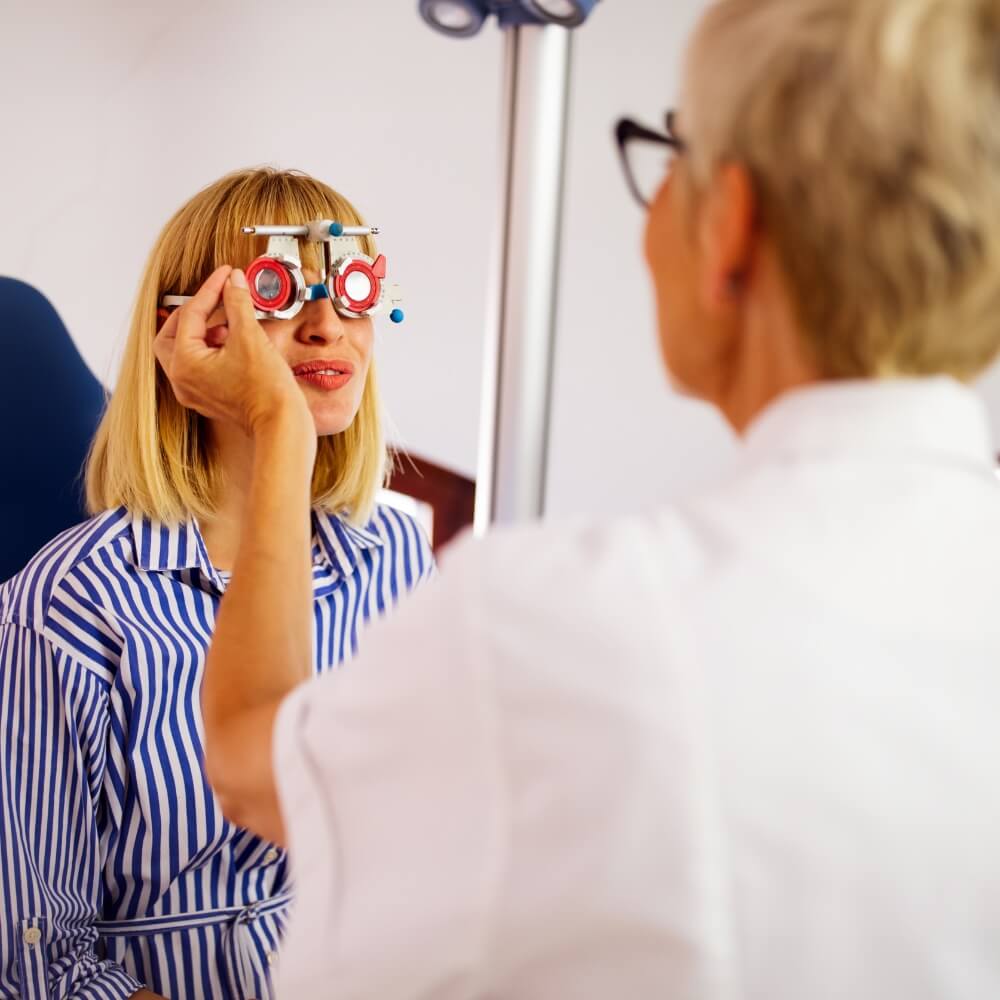
Dr. Sheraly is a board-certified ophthalmologist trained to diagnose and treat cataracts. To diagnose cataracts, Dr. Sheraly will examine your eyes. Here are a few things you can expect him to do during this exam:
- Gather your general medical history with a focus on identifying key points that may be contributing to cataract formation
- Discuss specifically how your vision is impacting your life and lifestyle
- Perform a detailed and extensive eye exam to identify signs of cataract formation and look for other causes of vision loss
- Order and perform any necessary ocular tests to help diagnose the impact of cataracts on your vision and guide your treatment plan
How are cataracts treated?
Following the diagnosis of a cataract that is impacting your vision, Dr. Sheraly will spend time discussing your options with you. Together you will come up with an appropriate treatment plan based on your needs. Based on that discussion, you may want to proceed to remove your cataracts.
To remove the cloudy lens or cataract from the eye requires a procedure called cataract surgery. In this surgery, Dr. Sheraly removes the cloudy lens that is causing decreased vision and replaces it with a small, clear artificial lens. This artificial lens allows light to enter the eye and be focused on the back of the eye.
What happens in cataract surgery?
With modern technology and surgical skills developed over time, cataract surgery is now a day surgery. This means that you can go home and rest in the comfort of your own home shortly after the surgery is completed.
In most cases, minimal sedation is needed to keep you relaxed and comfortable throughout the procedure. While there are risks as with any surgery, cataract surgery is considered one of the safest and most successful surgeries in modern medicine and is completed around 4 million times a year in America alone.
Cataract surgery recovery
After your surgery, you should be able to go home and rest. Usually the vision is blurry right after surgery and improves over the first few days, though in some cases it can take longer. It is best for you to avoid vigorous physical activity for the first week.
As with any surgery, complications may occur. If you are having pain, vision loss, discharge from the eye, or if the eye becomes red or starts to swell unexpectedly, please call right away. As always, if you have any questions, Dr. Sheraly is there to help answer them and guide you along the way.
If you think you may have symptoms of cataracts or want to learn more, please reach out to our office to schedule an appointment with our board-certified ophthalmologist, Dr. Sheraly. You can request a personalized appointment by filling out the form below or calling our friendly, caring office staff.
At Orlando North Eye Clinic, come experience personalized eye care where you are our focus. Let Dr. Sheraly answer your questions and guide you through the process to restore your vision. Book your appointment today at Orlando North Eye Clinic with Dr. Sheraly.