What to Know
Glaucoma
Your eyes are our focus. At Orlando North Eye Clinic, we want you to be educated and involved in your eye health and treatment plan. We have put together this resource to help you understand what to expect.
What is Glaucoma?
Glaucoma is a group of diseases that can affect your eyes and lead to progressive vision loss. Glaucoma is also known as “the silent thief of sight” because many people with glaucoma do not know they have it until they start having vision problems.
This is usually due to an increase in eye pressure, referred to as intraocular pressure. Elevated eye pressure causes damage to the optic nerve. Damage to the optic nerve can stop the eye image from being transmitted to the brain, leading to loss of vision. Often this damage happens gradually without causing noticeable symptoms in the early stages of the disease.
The only way to detect glaucoma is through a comprehensive eye exam and specialized ocular testing. At Orlando North Eye Clinic, we have a board-certified ophthalmologist who completed additional Fellowship Training in Glaucoma. When you visit Dr. Sheraly at Orlando North Eye Clinic, we will help you with testing such as a visual field test or a detailed eye exam.
Types of Glaucoma
There are several forms of glaucoma, but they are broadly divided into two main types based on the anatomy of the eye: open-angle glaucoma and closed-angle glaucoma.
In open-angle glaucoma, access to the eye’s natural drainage tube is wide open, but the drainage tube is damaged. As such, fluid is restricted from exiting the eye and results in high eye pressure. This chronic elevation in pressure often causes slow damage to the optic nerve, leading to vision loss.
In narrow-angle glaucoma, access to the eye’s natural drainage system is physically blocked so fluid cannot exit the eye. When this happens, it also leads to higher pressures but over a shorter period of time. Because it happens quickly, the eye pressure can spike very high and lead to painful vision loss.
What are some common symptoms of Glaucoma?
Glaucoma usually has no pain or visible signs until it has progressed considerably.
Late-stage symptoms may include:
- Gradual loss of peripheral vision
- Headaches
- Nausea
- Vomiting
- Halos around lights
How do we diagnose Glaucoma?
Glaucoma can only be diagnosed with certainty through a complete eye exam. At Orlando North Eye Clinic, we employ advanced diagnostic technology to help diagnose all forms of glaucoma. However, technology alone is not sufficient. You also need a skilled eye doctor to interpret and analyze these tests.
When you visit, Dr. Sheraly may perform one or more of the following to assist in diagnosing glaucoma:
- Detailed medical and family history
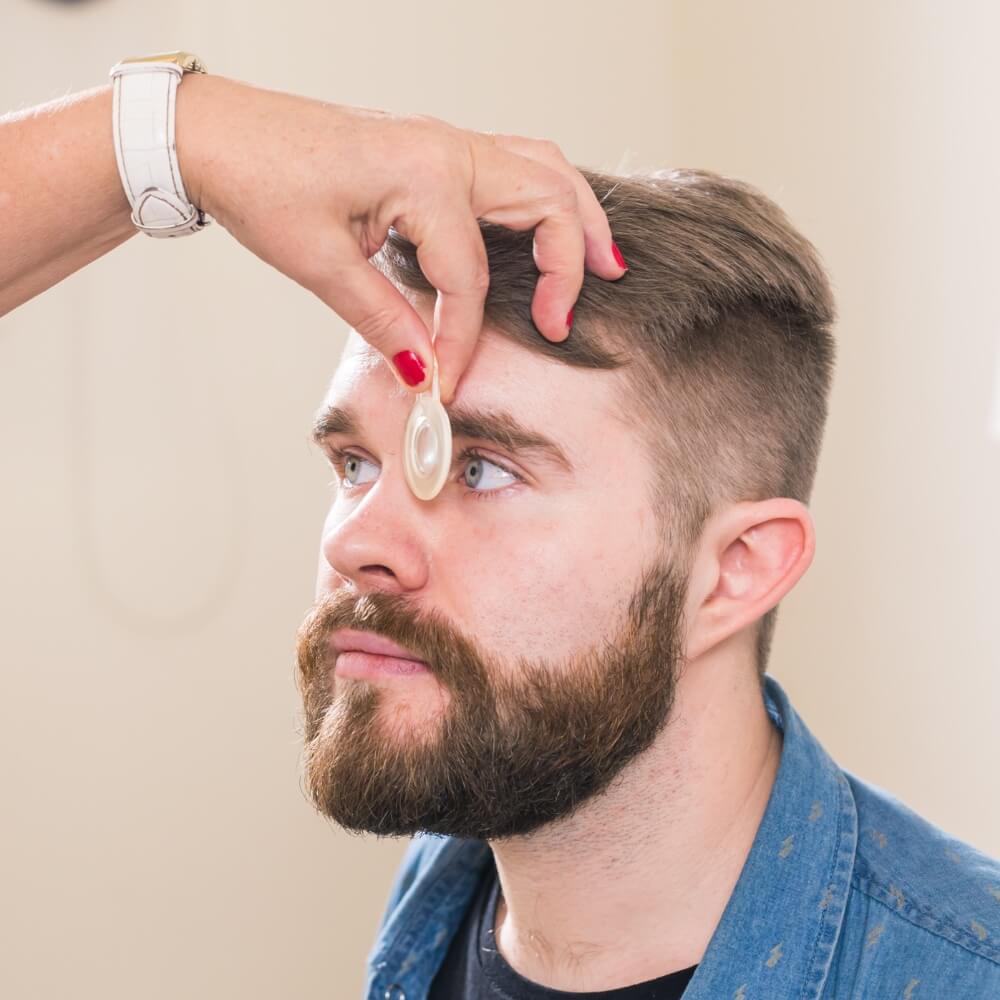
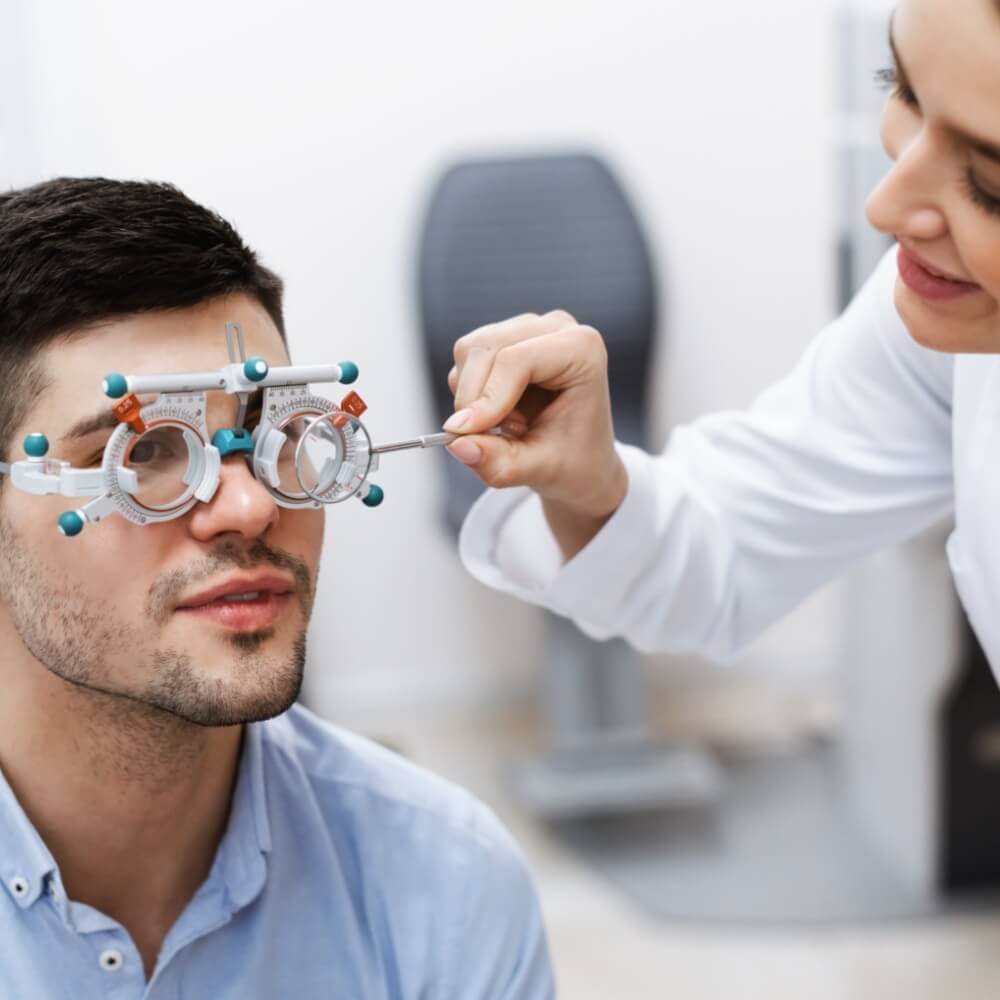
- Detailed eye exam
- Peripheral vision test, also known as a visual field
- Measurement of the optic nerve and macula
- Photography of the optic nerve
- Measurement of the cornea, known as pachymetry
These tests will be performed on a routine basis based on a treatment plan that you and your doctor discuss and based on medical guidelines for glaucoma treatment.
How Do You Treat Glaucoma?
Once you have been diagnosed with glaucoma, there are different treatment options. Together, you review these options with your doctor and discuss an appropriate treatment plan. Each option depends on the type and severity of glaucoma present.
Observation. In some cases, observation over time is an appropriate treatment option, either to gather more information or to observe how the eye changes with time. It is very important to work with your eye doctor and follow up closely.
Medications. The most common treatment option is prescription eye drops. Eye drops, when used as directed, can lower eye pressure and slow or stop optic nerve damage. It is very important to follow up as your doctor recommends.
Laser Treatment. In some cases, laser treatment may be an appropriate option. Laser procedures have the goal of ensuring the drainage tube of the eye is unobstructed so it can continue to drain fluid normally. These laser procedures are office procedures, and you can often return to your normal daily activities shortly after.
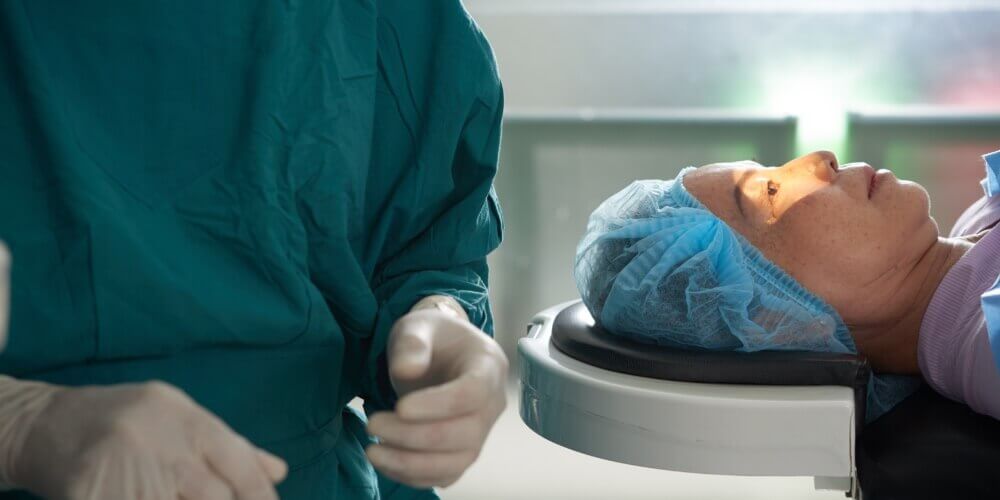
Surgery. In more moderate or advanced cases, surgical options may be discussed with you. Dr. Sheraly is Fellowship Trained to perform and manage specific glaucoma surgeries. There are many surgical options, and he will review them with you and discuss which option is best suited for your eyes.
Care for glaucoma patients at Orlando North Eye Clinic
At Orlando North Eye Clinic, your vision is our focus. Come experience personalized eye care where you are our focus. Let Dr. Sheraly answer your questions and guide you through the process to protect your vision. Call today to make an appointment with him.