
Your sight is a blessing, and there are some simple but often overlooked things you can do to protect your eyes. Here are 7 recommendations from your eye doctor that you can do to strengthen your eye health.
1. What you See is what you Eat!
It is no secret that the eyes are the first step in digestion. But did you know digestion of foods is the first step in getting the right nutrients to your eyes?
Your eyes are a complex organ that require an array of unique nutrients and minerals to work right. Make sure you are looking at the right foods that your body needs. Having a balanced, healthy diet helps ensure that you are getting the right vitamins and minerals.
Avoid heavily processed foods, as many important elements are lost or broken down during processing. Be sure to eat a balanced diet with lots of colorful and leafy vegetables as well as fish like salmon for omega-3 fatty acids. Talk with your doctor if you have special dietary needs to look for alternate sources of essential vitamins and minerals.
2. Stop Staring.
Our world these days revolves around screens: computer screens, phone screens, and television screens. That is a lot of staring and focusing. Our eyes need to rest too.
Studies have shown that when we are focused on an activity like reading or driving, our blink rate can drop over 50%. When we blink less, the tear film that protects the eyes dries out. This leaves the eyes vulnerable and can lead to blurry vision and pain.
Give your eyes a chance to rest. There is a simple rule that you can follow called the 20/20/20 rule. Every 20 minutes, look away from your screen for 20 seconds at something that is 20 or more feet away. And do not forget to blink.
3. Stylin’ in those Sunglasses.
Sunglasses are not only to look cool or complete your outfit. Proper sunglasses can protect your eyes from the intense sun, especially in Florida.
While your eyes need light to see, some wavelengths can be harmful or damaging to your eyes. The eyes have a natural system to reduce some of these damaging wavelengths, but constant exposure can have a cumulative impact. Sunglasses are a simple way to reduce the impact. Finding high-quality sunglasses that block out these rays is often a good strategy for improved eye health.
4. Protective Eyeglasses
Wearing protective eyewear when participating in high-risk activities is another simple way to protect your eyes. Whenever there is risk of projectiles or unintended objects coming in contact with your eyes, it is a good idea to wear protective eyewear.
Dr. Sheraly often says, “It is better that something hit your glasses than your eyes.” Always remember safety first.
5. Do not forget about me, your Eye Doctor.
You should not wait until you have an urgent matter in your eyes to visit the eye doctor. Routine eye care with your eye doctor is important.
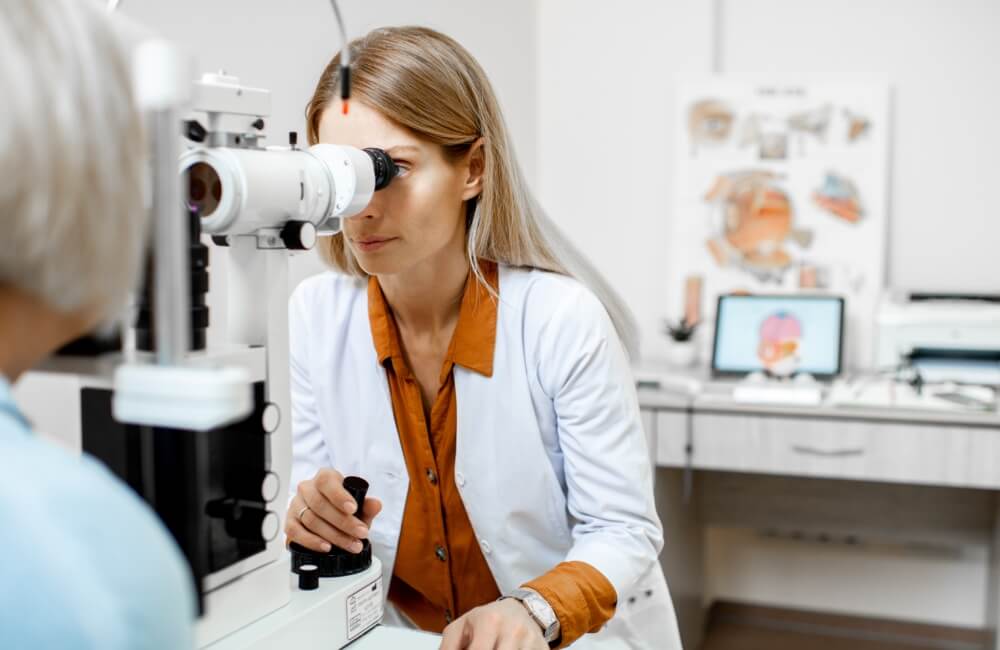
A regular periodic visit to check the health of your eyes, especially when you are not having particular concerns, is also important. Your eye doctor has specialized skills, training, and equipment to detect medical conditions that may become an issue in the future and may be able to initiate recommendations or therapy to protect your sight. Give Dr. Sheraly a call to schedule your routine eye exam today.
6. Have you called your mom today?
Many eye-related diseases have a genetic component. Knowing about your family medical history can give important clues about your eyes. A trained eye doctor can help digest that information and assess your risk for potentially blinding disease in conjunction with their eye exam.
In some cases, recommendations may be made to help slow or prevent future damage to the eyes. If possible, talk to your mom, dad, aunts, and uncles about their eye conditions and bring that information to your eye doctor appointment.
7. Quit it!
Just as it is important to get the right nutrients in your body for your eyes to use, it is also important to avoid harmful chemicals that can prematurely damage your eyes. Some of the most common are smoking, alcohol, and illicit drugs. These have been well studied to damage the eyes in many ways.
Avoid them if possible, or at least reduce your intake or exposure to these habits. Be sure to discuss them with your doctor to see what strategies are available to help you and your eyes.
Hopefully, these were simple recommendations for you to follow to help improve your eye health. At Orlando North Eye Clinic, we would love to see you and have you come experience personalized eye care. Let Dr. Sheraly answer your questions and guide you through the process because your vision is our focus. Book your appointment today at Orlando North Eye Clinic with Dr. Sheraly.